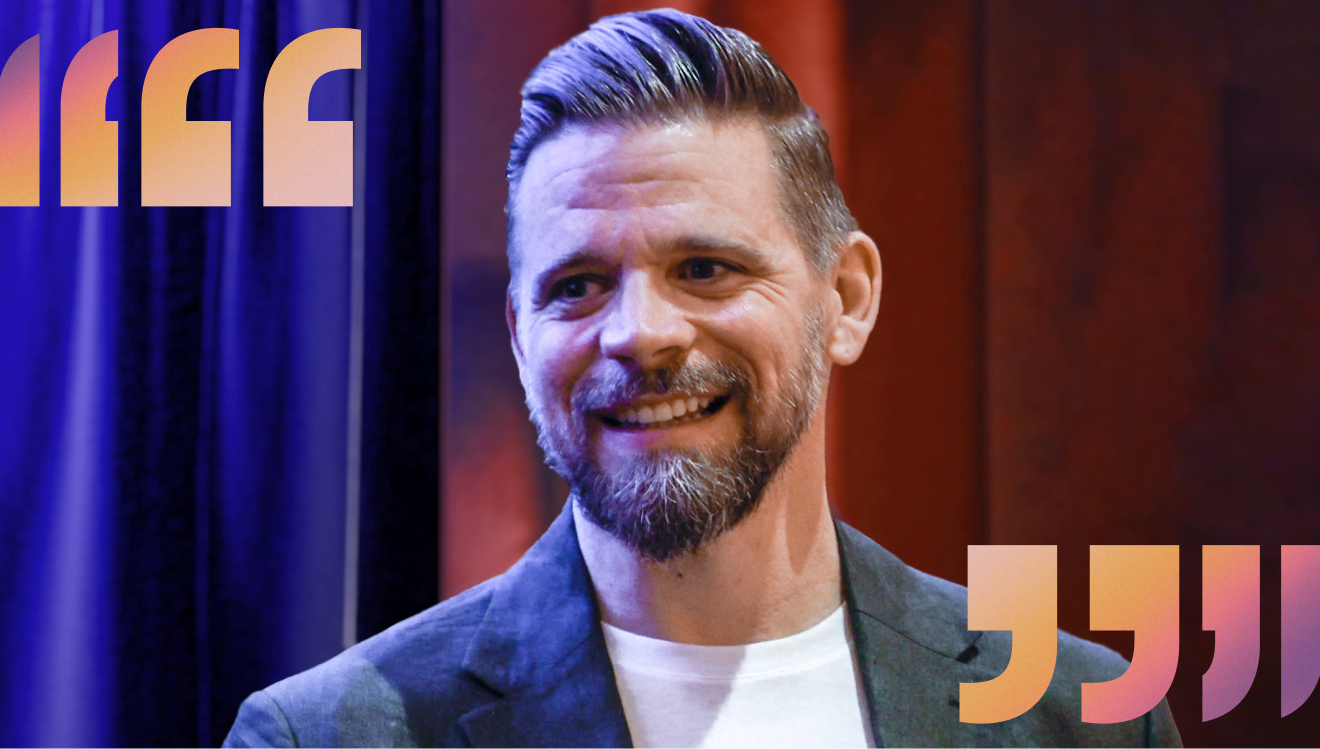
Merv Small, aka Merv Mac, chased a career in music before pivoting to tech. What drew you to his story? What was it like collaborating with him?
I asked Merv one question, and his answer eventually became the heart of the entire film.
Merv was one of about 20 people I interviewed at ServiceNow’s annual Knowledge event in Las Vegas that year. We were talking about his career, so I asked what he’d done before working in tech. He casually mentioned that he’d been a hip-hop artist.
I started asking more questions, and the more he told me, the more fascinating his story became. Then I asked what had made him give up music. He corrected me: nothing made him stop. He chose to leave a career in hip-hop for a career in tech.
All I could think to ask was, “Why?”
His answer went far beyond money or career advancement. It was about family, creativity, and finding fulfillment in a completely unexpected place. I was hooked.
That conversation set me on a path to rethink how we could tell career stories at ServiceNow. I worked with some amazing colleagues to develop a pitch that eventually made its way to our Chief Brand Officer, who loved the idea.
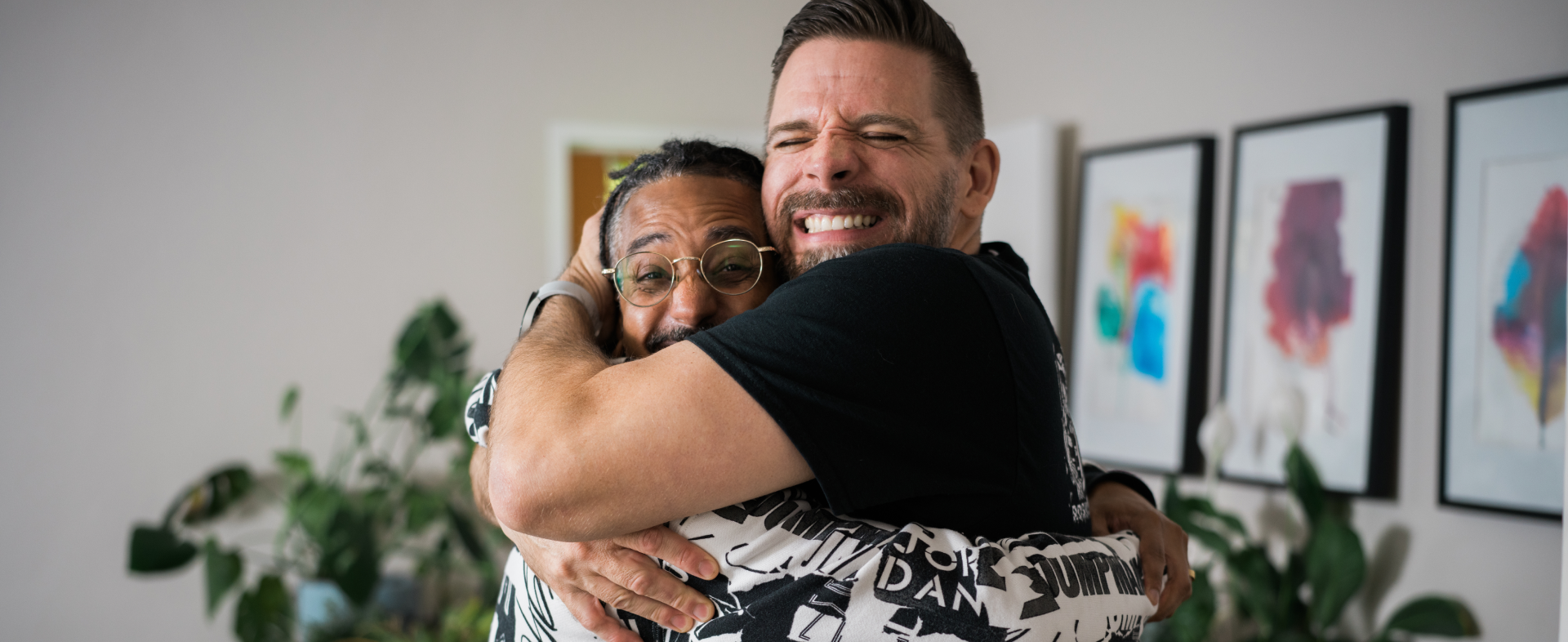
From there, Merv and I became fast friends as I worked with him to turn decades of his life into a short documentary. I wrote his story, developed the creative approach, and eventually traveled with our crew to Sydney to bring it all to life.
Your bio says you look for “the emotional story behind the message.” How did that approach shape the way you told Merv Small’s story specifically?
Merv’s story is incredible, but the challenge was finding the right balance between his personal life and his career journey. I didn’t want the technology to feel bolted onto an emotional story, and I didn’t want the emotional story to simply be a setup for a corporate message. They needed to belong together.
That shaped everything—not just the interview questions, but the locations, set design, wardrobe, music, editing style, and even how and when the ServiceNow platform enters the story.
My goal was for the audience to care about Merv before asking them to care about his career. Once you understand who he is, what he’s been through, and what matters to him, his decision to leave music for technology means something completely different.
For me, it was a dream project because the human story and the business story didn’t have to compete. The human story was what made the business story matter.
You cover a lot of Merv’s personal life in this doc. Can you walk us through how you and your team approached interviewing him — did you shape questions in advance, or did it unfold more organically?Before we filmed anything, Merv and I spent eight hours together over multiple Zoom conversations. I interviewed him about his entire life—from becoming a performer in Sydney at 12, through his band years and solo career, all the way to almost signing a U.S. record deal as an adult.
We also talked about the much harder parts of his life, including nearly losing his wife to a brain aneurysm and the years-long process of her recovery. Then we dug into what drew him toward technology and why he was willing to walk away from something so many people dream of achieving: a career in music.
I took all of that material, wrote out his story, and started cutting it down to its emotional essentials. That process shaped the questions I eventually asked on camera, but it also created a level of trust between us that allowed the filmed interview to go much deeper.
By the time we sat down to shoot, we weren’t strangers doing an interview. We were ready to laugh and cry our way through his story together—and we did.
I became so engrossed in the story that I ultimately edited the film as well. Everyone on our crew became invested in Merv, and I found it very hard to step away from any part of bringing his story to life.
How did you celebrate your Communicator Award win?
I actually waited to celebrate it with Merv.
We learned about the award shortly before ServiceNow’s Knowledge event in Las Vegas—the same event where I’d first met him and stumbled onto his story. Merv was going to be there again, so I saved the news to show him in person.
When we finally connected on the show floor, it was the first thing I showed him.
There was something wonderfully full-circle about standing together in the same place where this whole thing had started. What began as one unexpected conversation had turned into a film we’d poured ourselves into, and now other storytellers were recognizing it.
Getting to share that moment with Merv meant more to me than celebrating the award on my own.
Do your stories land like Ron’s? Prove It. Enter your best work by November 13th to secure preferred early pricing.