
Where does your passion for animation stem from?
My passion for animation really comes from a love of storytelling. I’ve always had a head full of ideas, little story fragments, worlds, and characters, and over the years I’ve filled notebooks and documents with them. When I discovered 3D software, it felt like a revelation. Suddenly I had this limitless toolkit that let me bring those ideas to life visually. It was like having an entire film studio and production company at my fingertips, where anything I could imagine was technically possible with enough time and creativity. While I enjoy every part of the production pipeline, from modelling and lighting to compositing, it was animation that really drew me in. It’s the moment where everything starts to breathe, where a character that was once just a digital sculpture suddenly feels alive. There’s something incredibly satisfying about finding those small nuances of movement and timing that communicate thought, emotion, and personality. Animation, to me, is where storytelling becomes tangible, it’s where the characters truly start to exist.
Your personal films have found success internationally. How does that work feed into what you bring into your other work like Future Genesis?
My personal films are where I really explore ideas and storytelling on my own terms. They give me the space to experiment, to take risks creatively, test new techniques, and push myself technically. That process naturally feeds back into my studio work on projects like Future Genesis. It keeps me sharp and curious, constantly looking for new ways to approach a scene or communicate an idea. Working independently also reminds me of the importance of clarity in storytelling, of making sure every shot, every movement, serves a purpose. So when I bring that mindset into larger collaborative projects, I’m able to approach the work not just from a technical or animation standpoint, but from a filmmaker’s perspective. I think that helps me bring a sense of cohesion and intent to the work, ensuring that even the most complex sequences still connect with audiences on an emotional level.
You handled both layout and character animation for Future Genesis. Can you walk us through that process?
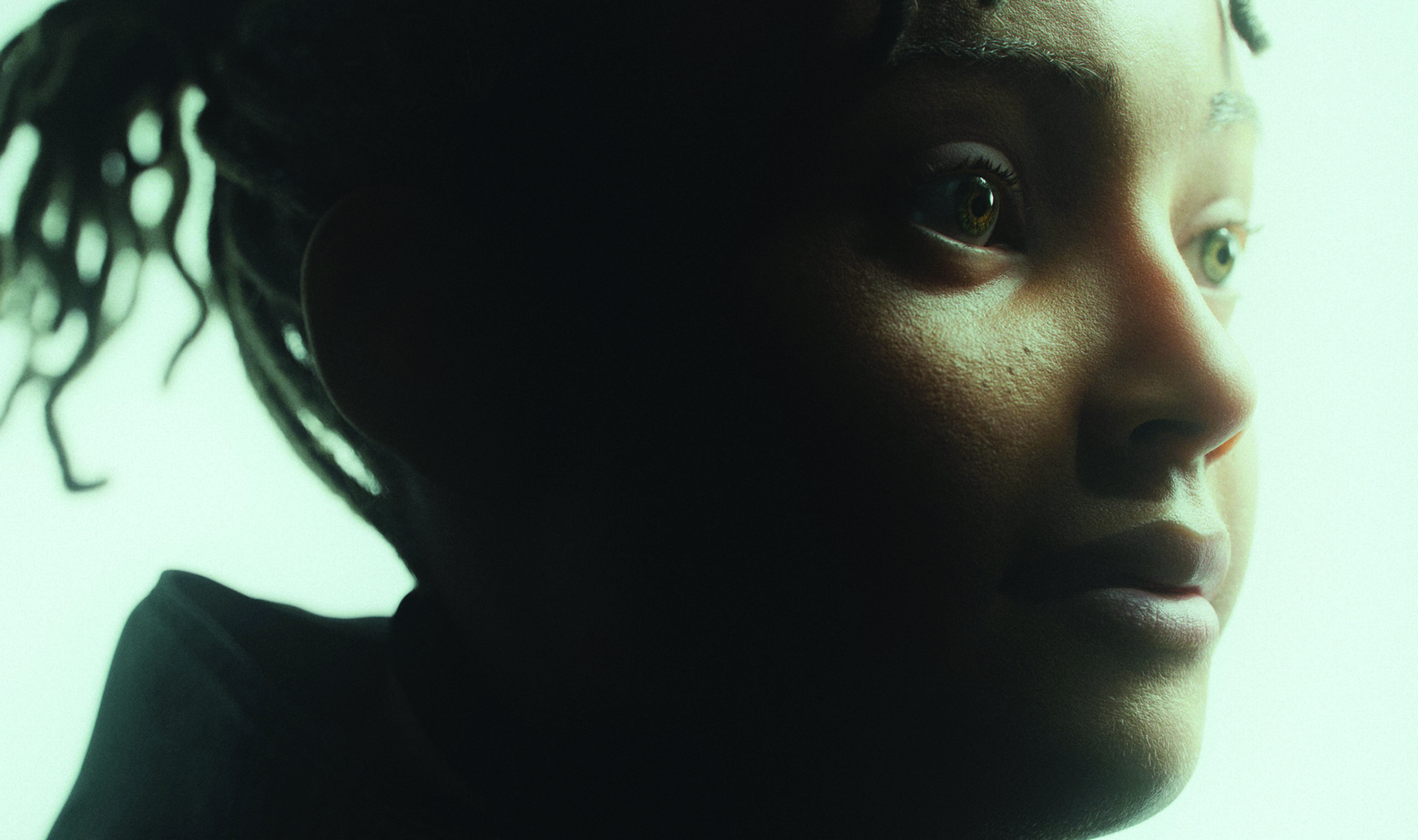
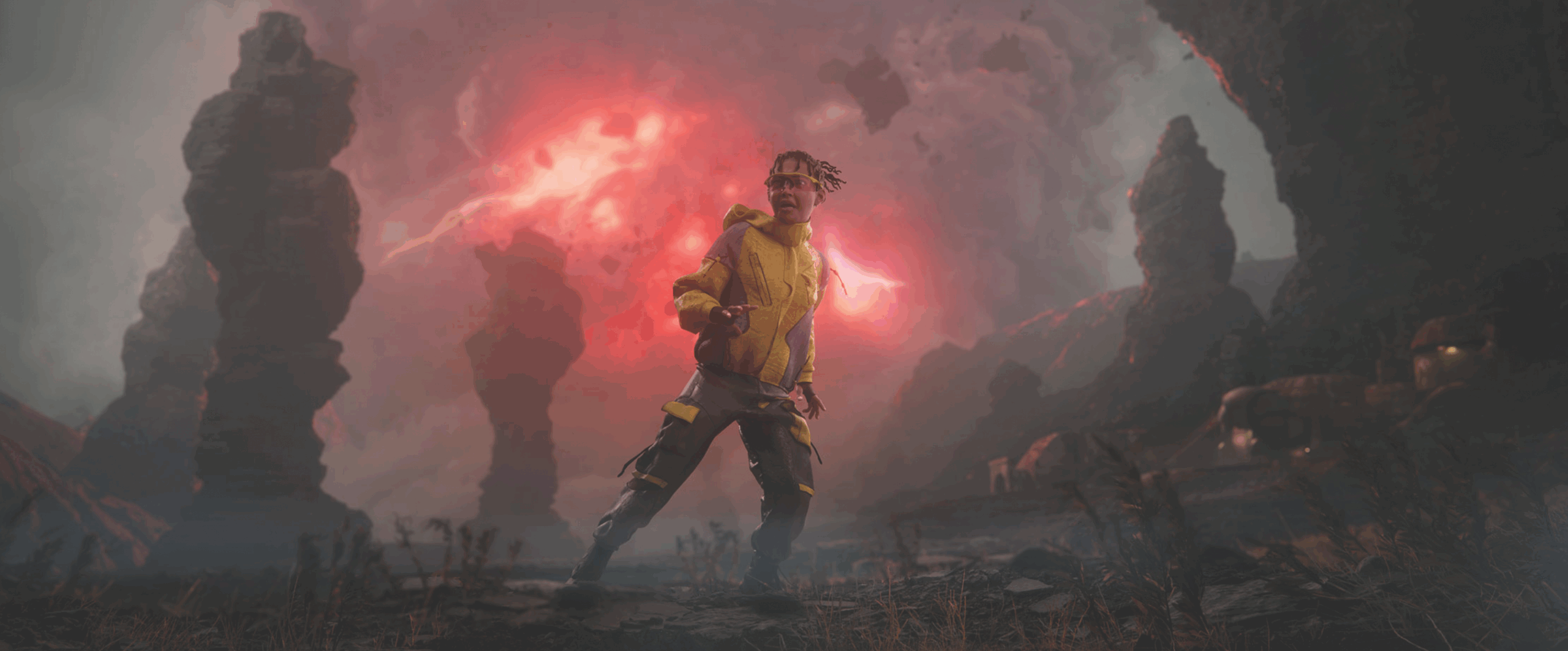
The project was particularly interesting because Max and Maxine’s stories unfold simultaneously but in very different environments. Max is confined to his bunker, while Maxine is out in the vast, dust-swept wasteland. A big part of my role in layout was finding ways to keep those two narratives visually and emotionally cohesive, even though they never physically intersect. To achieve that, I structured both sequences around a shared visual rhythm. Each scene begins with a wide shot to establish their worlds, then cuts into tighter close-ups as they both make the same realisation that something catastrophic is approaching. Finally, both films conclude with a mirrored 180-degree, orbiting camera move that reveals the full extent of the danger, creating a sense of connection between their experiences despite the distance between them. Once layout was locked, I moved into character animation, which was where everything truly came to life. Maxine’s movements had to capture her youth, curiosity and defiance, while Max conveyed tension and helplessness as he watched events unfold. Those contrasts in performance helped reinforce their emotional link across space, and having worked on layout, I could ensure every motion, gesture, and camera move served the story and that visual parallel between them.
Can you explain more about why you used keyframe animation instead of motion capture?
We chose to use keyframe animation for Future Genesis because it gave us complete control over the performances and timing. While the movement itself was grounded in realism, keyframing allowed us to be very deliberate about how each action read on camera, ensuring that every pose, gesture, and moment of stillness served the story. It also gave us more freedom to design animation that worked seamlessly with the cinematography. Since I handled both layout and animation, I could build each performance around the camera, striking clear silhouettes, emphasizing composition, and making sure the movement always complemented the framing and visual rhythm of the shot. You can absolutely edit motion capture data to achieve a similar effect, but I often find myself fighting with the data to get something approximate to the pose or composition I want. With keyframing, you start from a place of full control, shaping each moment precisely to fit the shot and the story’s intent.