Skip to Content

Inside Voices

The Lesbian Bar Project
by Erica Rose &
Elina Street

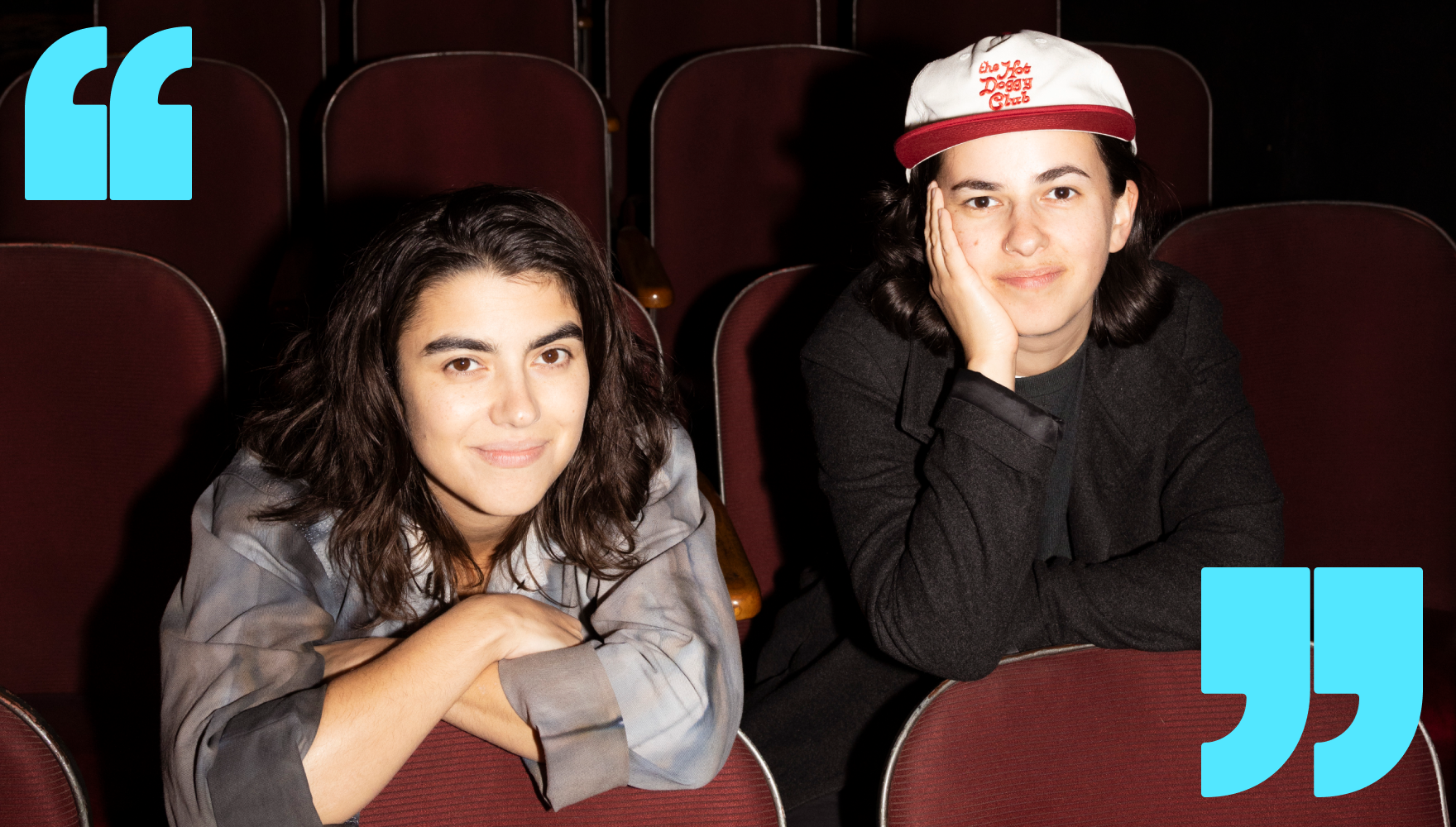
Our new content platform, Inside Voices, pulls back the curtain on the humans behind The Communicator Awards. We’re kicking off our series with some amazing winners from last season. Filmmaking duo Elina Street (left) and Erica Rose (right) founded The Lesbian Bar Project, an Emmy, Webby and GLAAD Media award-winning docuseries and initiative that celebrates, supports and amplifies Lesbian bars around the world. In partnership with Jägermeister, season two of their series, an hour-long special called “FLINTA”, captured Germany’s queer lesbian nightlife culture and earned two 2024 Communicator Awards: Excellence for Film & Video: Diversity, Equity & Inclusion and Distinction for Film & Video: Documentary.

Their work proves great storytelling transcends borders, connecting queer communities worldwide who care about protecting safe spaces. See how they used social media to build trust with strangers who became their storytelling partners. Keep following along here to learn about more winners and jurors as we use our Inside Voices. 

How did you two first meet? How long have you been creative partners?
Erica and Elina: We met through our mutual friend Charlotte Arnoux. Erica went to NYU with her and Elina grew up with her in France. She put us in a group text together and said, “Erica Rose, meet Elina Street. You two are both queer, both filmmakers and have incredible names.” When we met, we knew we had found what we were missing: true friends and collaborators. The rest is history!

What’s your dynamic throughout the filmmaking process? I’d love to hear more about how you collaborate.
We have similar ways of working and have complimentary styles. Both of us encourage one another and listen to each other’s ideas. We’re also not afraid to have difficult conversations. We go in with a very thorough prep plan and do pre-interviews together. Then on the day, we take turns on “running point” on who is speaking to the subjects and crew directly. We always confer with each other, but because we’ve been doing this for years, we have an unspoken language between the two of us and can just use shorthand to convey what we need to convey.
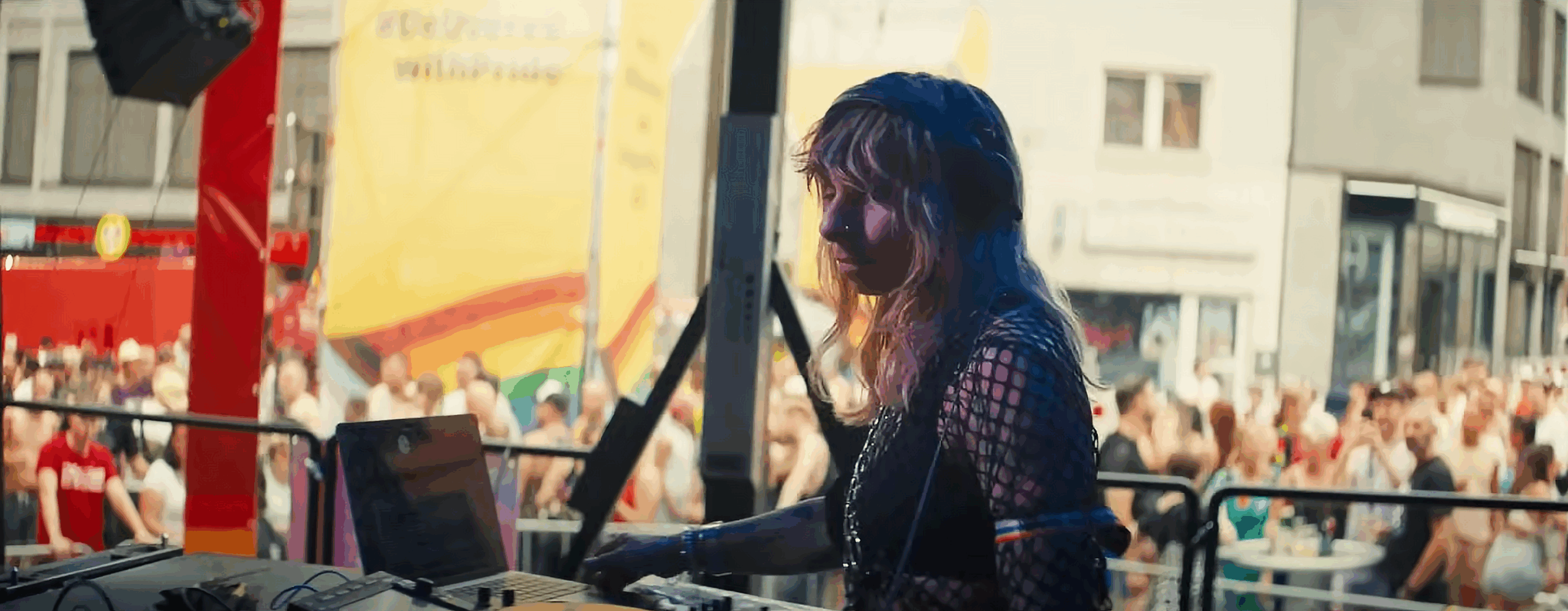
You said that the shoot in Germany was very short. How did you build trust with the FLINTA communities in Cologne and Berlin before shooting?
We relied heavily on friends and word of mouth. We also did a ton of research and did a LOT of sleuthing on social media. What really helped us was that we had our American Roku Series under our belt and a large instagram following. We were able to show our potential subjects our previous episodes as a proof-of-concept. It really helped that we were able to travel in person to meet with everyone as well ahead of the shoot.

What was “writing” in the editing room like?
We did a lot of prep work, especially because our shoot window was tight. We did countless pre-interviews over zoom and we were fortunate to do an in person scout so we met with all of the subjects over dinner/coffee etc. Once we gathered all of our initial pre-interviews, we went back to our script and discussed what the main lens of this episode will be and how we’ll tell the story.
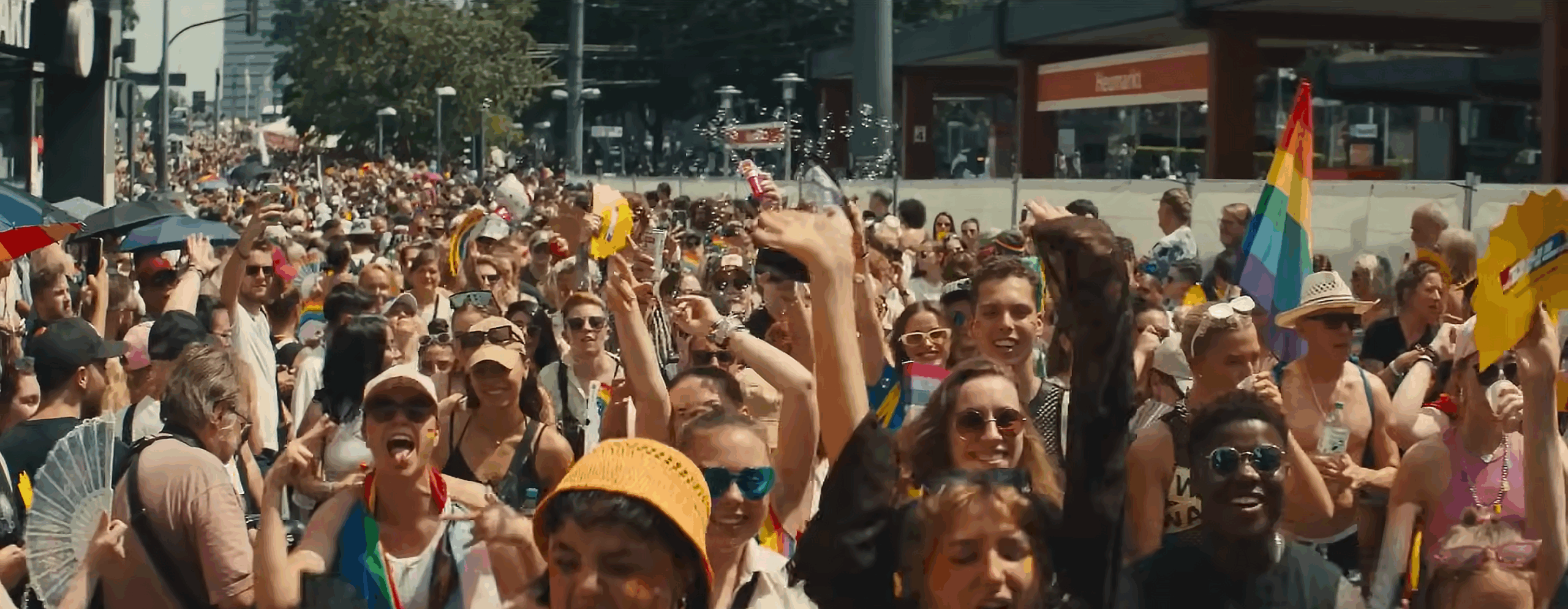
We then wrote our shot list and interview questions so that we had a really firm plan going into the day. However, of course with any shoot, but especially documentary, there are unpredictable elements and dynamics we don’t necessarily anticipate. Because of that we have to be open to changing the narrative as we go. When we get to the edit room, we do what’s called a paper edit. We take transcripts and select based on our script. And THEN we cut, cut, cut.

The Lesbian Bar Project has been several years in the making. In one word, how has the entire experience been for you both?
Invigorating. The project has taken on this incredible lifeforce – it isn’t just ours anymore. The project belongs to our community, both in the United States and worldwide. The greatest achievement with The Lesbian Bar Project is that we connected queer people from all around the world who care about protecting and nourishing our safe spaces.


Well Said.


Erica and Elina’s story made an impact. It’s your turn to prove your work is “Well Said”. Enter your best projects by November 7th for preferred early pricing.

Get the Newsletter